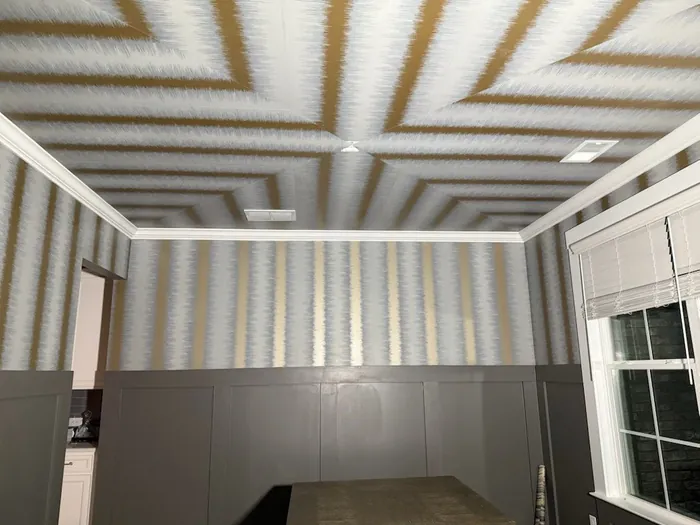
Wallpaper services in Ozone Park & across Queens
Installation is the heart of what we do, but a good result often starts earlier — with taking old paper down or getting a tired wall back into shape. Here’s what each service involves, so you know what to ask for.
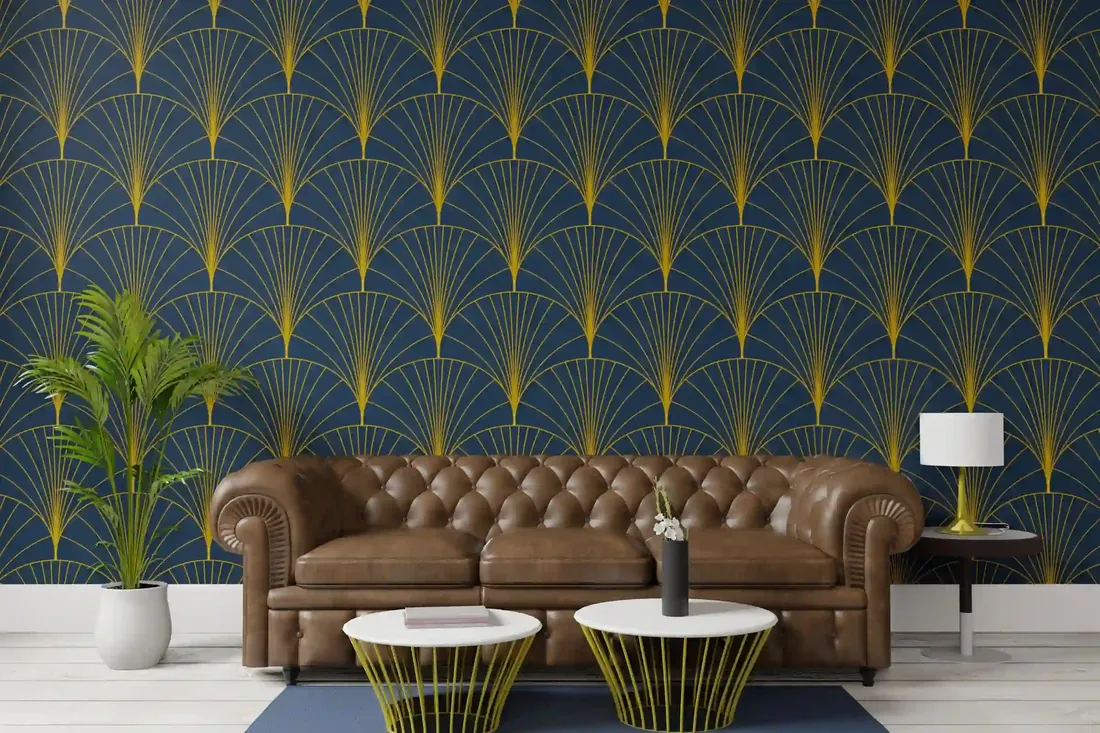
Wallpaper installation
We hang residential and commercial wallpaper of most common types — from a single feature wall behind a bed to full rooms, hallways, stairwells and ceilings. The goal is always the same: a surface that reads as one continuous pattern, with seams you have to search for.
Paste-the-wall & non-woven
Adhesive goes on the wall, not the paper. Non-woven papers are dimensionally stable, so seams stay put, and many strip off in full sheets later.
Traditional & pre-pasted
Paper-backed products that are pasted or activated, then allowed to relax before hanging. Timing and handling matter more here.
Vinyl & scrubbable
A practical choice for kitchens, bathrooms, kids’ rooms and busy hallways, where walls get touched and cleaned.
Accent walls to whole floors
One wall, one room, or a run of connected spaces where the pattern needs to carry consistently from room to room.
How we plan a hang
Before the first strip goes up, we work out where the pattern should be centered — often on a focal wall, a fireplace or the bed wall — and where the final strip will meet the first. Because that last seam almost never matches perfectly, it belongs somewhere discreet, like behind a door or in a corner you don’t look at first. We measure with the pattern repeat in mind, set a plumb line, and trim each strip cleanly at the ceiling, baseboard, casings and outlets.
Before installation day
We’ll talk through what needs to happen beforehand: clearing space along the walls, removing wall-hung items, and keeping the rolls inside the home so they adjust to the room. If you’re buying the paper yourself, keep it unopened until we confirm the quantity, and check that every roll shares the same batch number.
Wallpaper removal
Hanging new paper over old wallpaper usually causes problems later: the old layer can loosen, show seams through the new one, or bubble. In most cases, taking it down first is the better foundation.
Strippable papers
Some modern papers come off dry in full sheets. Those are the easy ones — the wall underneath still needs cleaning.
Peelable & layered papers
The face peels away but leaves a backing behind, which then has to be soaked and removed.
Older, painted-over papers
These take patience. The aim is to soften the adhesive without gouging plaster or tearing the paper face of drywall.
Residue & repairs
Leftover paste is washed off — it can cause paint to crack and new paper to fail — and any damage found underneath is repaired.
Removal often reveals what a wall really looks like. If we find damage, we’ll explain what we see and what it would take to fix before going further.
Peel-and-stick wallpaper installation
Self-adhesive wallpaper is popular with renters and anyone who likes to change a room often. It looks simple, but it is unforgiving: the adhesive grabs quickly, stretching shows, and small misalignments travel all the way down the strip.
- Surface comes firstPeel-and-stick needs a smooth, clean, sound wall. Heavy texture, flaking paint and fresh paint that hasn’t fully cured can all cause lifting — check the product’s guidance on paint cure times.
- Seams follow the productSome designs are meant to overlap slightly, others to butt edge to edge. We hang them the way the manufacturer intends.
- Humidity mattersIn steamy bathrooms or next to radiators, a traditional paper with a suitable adhesive may hold up better. We’ll tell you if we think that’s the case.
Commercial wallpaper installation
Offices, retail stores, salons, restaurants, medical and professional suites, building lobbies and corridors: commercial walls take more wear, and they’re seen by more people. We install commercial-grade wallcoverings with the same attention to seams and pattern as a home project.
Durable materials
Commercial vinyls and other heavy-duty wallcoverings are often wider and heavier than residential papers, and handled accordingly.
Specs & requirements
If your designer, landlord or property manager has a specified product or requirements such as a fire rating, share them early so the job is planned around them.
Working around your hours
Tell us when your space is open and when it’s quiet. We’ll discuss scheduling options that keep disruption to a minimum.
Brand & feature walls
Custom-printed murals and graphic walls for reception areas and storefront interiors.
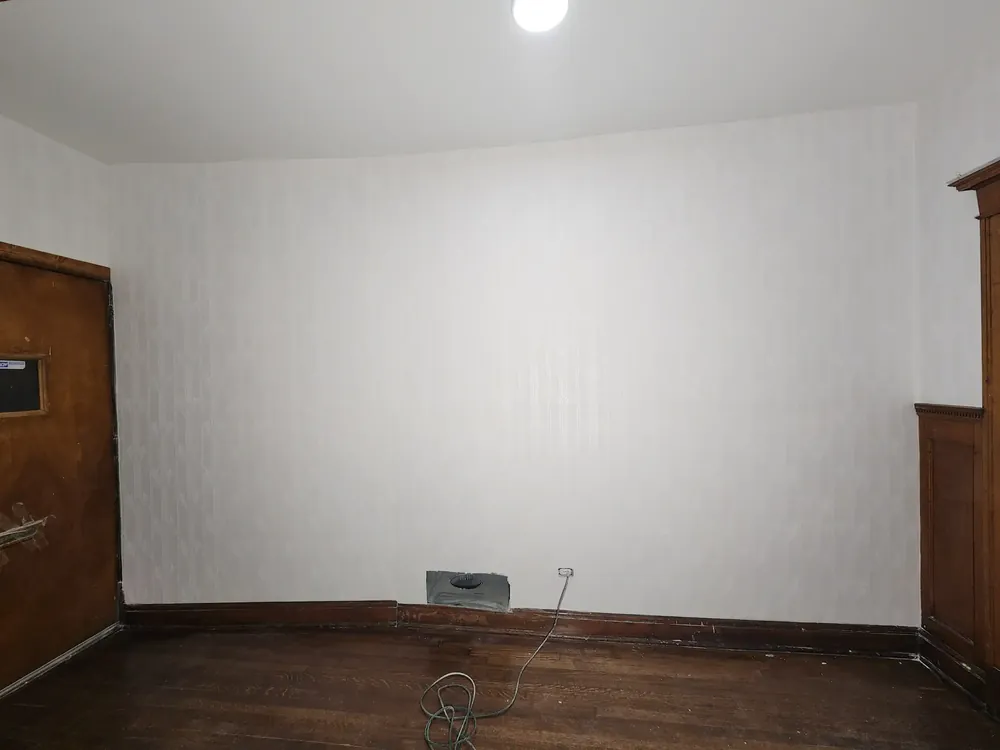
Wall preparation
Wallpaper shows what’s underneath it. Dents, ridges, old patches and glossy paint all affect how the paper lies and how well it bonds. Preparation is the step that decides whether the finish lasts.
- RepairFilling holes and dents, addressing cracks, and scraping back loose or flaking paint.
- SmoothSanding repairs flush; skim-coating textured or uneven walls where a smoother surface is needed.
- PrimeA primer suited to wallpaper helps the adhesive grip, evens out how the wall absorbs paste, and can make future removal much easier.
Murals & specialty wallcovering installation
Some wallcoverings deserve extra care because they’re expensive, delicate, or simply unforgiving. These are often the pieces that make a room unforgettable.
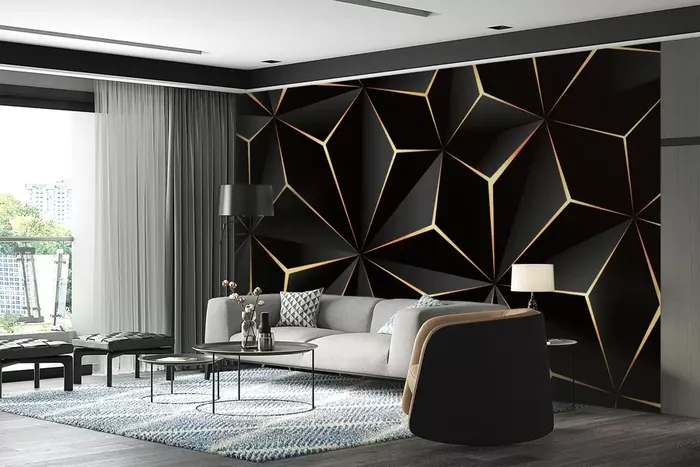
Wall murals
Murals come as numbered panels that must go up in sequence and line up exactly. We check the panel order and the wall size against the mural before starting.
Grasscloth & natural fibers
Woven natural materials vary in color from panel to panel and show seams by nature. Careful panel sequencing and clean paste work keep the look intentional.
Textured, embossed & metallic
Raised surfaces can be flattened by heavy pressure, and metallic finishes reveal every flaw in the wall — another reason preparation matters.
Ceilings
Papering a ceiling — a “fifth wall” — is one of the most dramatic changes you can make. It’s also some of the most demanding work in the trade.