Wallpaper guide: materials, rolls & common questions
Choosing wallpaper is easier when you know how different materials behave once they’re on the wall. Use this guide to narrow down your options before we talk.
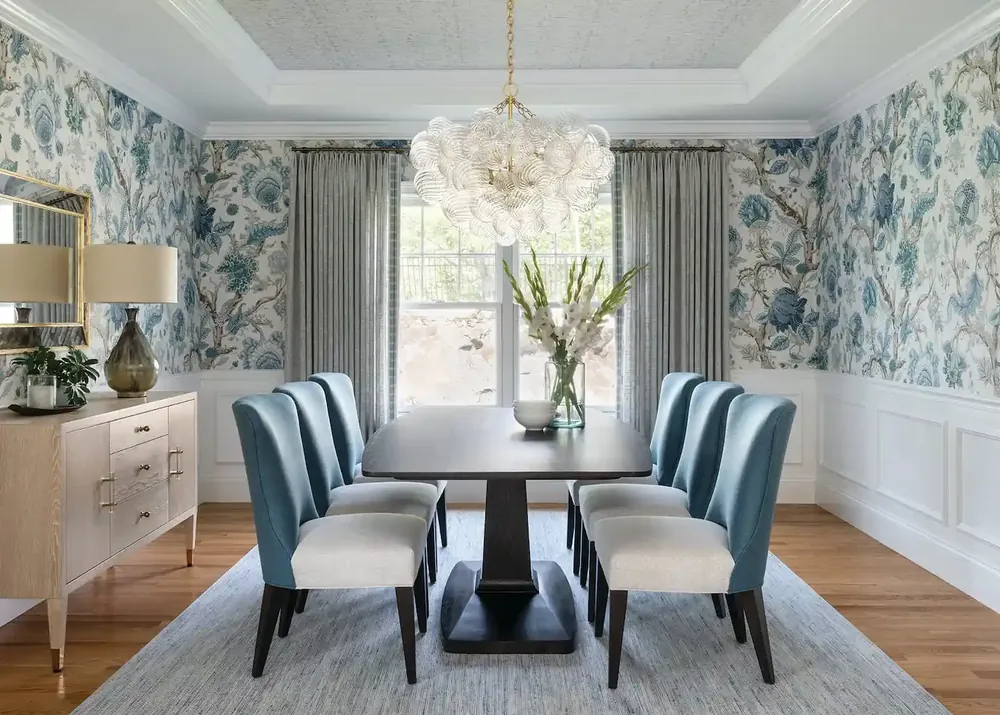
Common wallpaper types, side by side
The label on the roll tells you a lot. These are the categories we’re asked about most often.
Non-woven
A fabric-like base that doesn’t expand when pasted. Usually hung by pasting the wall, which makes it quicker and steadier to hang.
- Good for
- Most living spaces
- Removal
- Often strips off dry
Traditional paper
Classic printed papers with beautiful color depth. The paper is pasted and needs time to relax before hanging, and the surface is more delicate.
- Good for
- Bedrooms, dining rooms
- Watch for
- Moisture and scuffs
Vinyl & vinyl-coated
A wipeable or scrubbable surface layer that resists moisture and wear better than plain paper.
- Good for
- Kitchens, baths, hallways
- Watch for
- Needs a suitable adhesive
Peel-and-stick
Self-adhesive and designed to be removable. Best on smooth, sound, fully cured painted walls.
- Good for
- Renters, accent walls
- Watch for
- Texture and humidity
Grasscloth & natural fibers
Woven grass, sisal, jute or similar fibers on a paper backing. Natural variation between panels is part of the look.
- Good for
- Living rooms, offices
- Watch for
- Water, splashes, sunlight
Murals
One large image printed across numbered panels, sized to a wall. Measure carefully before ordering, since a mural can’t simply be extended.
- Good for
- Feature walls
- Watch for
- Exact wall dimensions
Matching the paper to the room
Bathrooms & powder rooms
Choose vinyl or another moisture-tolerant wallcovering for full bathrooms, and make sure there’s a working exhaust fan. Powder rooms without a shower give you more freedom — and are a favorite place for bold patterns.
Kitchens
Look for washable or scrubbable finishes, especially near the stove and sink, and avoid delicate papers where splashes happen.
Hallways & stairwells
High-traffic areas benefit from durable, wipeable surfaces. Long runs and tall walls make pattern planning even more important.
Bedrooms & nurseries
Lower traffic means almost any material works. In kids’ rooms, a wipeable finish saves a lot of worry.
Living & dining rooms
The best rooms for statement papers, murals and grasscloth, where the walls are admired more than they’re touched.
Ceilings
Lighter-weight papers and non-wovens are generally easier overhead. A papered ceiling can make a room feel finished in a way paint can’t.
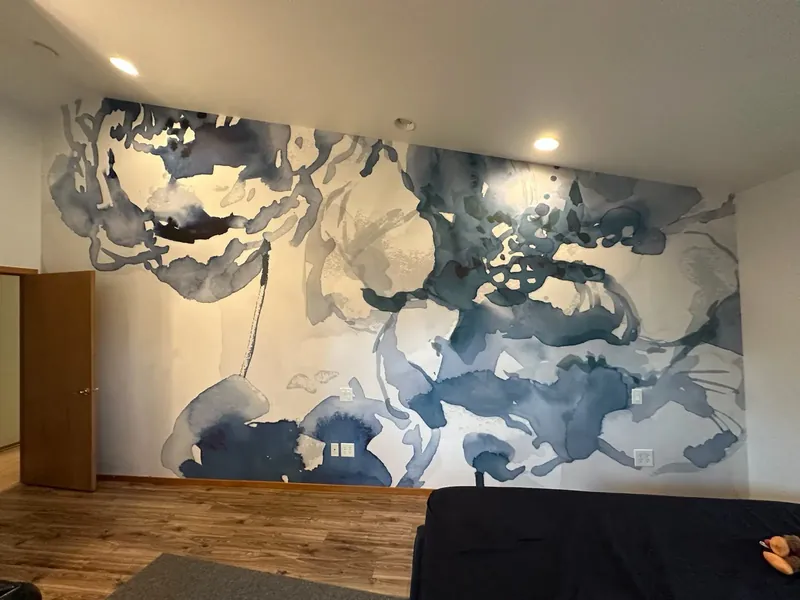
How much wallpaper do you need?
Roll sizes vary a lot between brands — width, length and how much usable paper you get from each one. On top of that, the pattern repeat (the distance before the design repeats) determines how much of each strip is lost to matching. A large repeat can noticeably increase how many rolls a room takes.
- Note the roll detailsWidth, length, repeat and match type are printed on the label or product page.
- Buy from one batchRolls from different print runs can differ slightly in color. Keep the batch or lot number on hand.
- Leave a marginA spare roll covers cutting waste and future repairs, and may be impossible to match later.
Not sure about quantities yet? That’s fine — call us before you order and we can help you work it out from the product details and your room.
Wallpaper questions, answered
Can I call before I know my wall measurements?
Yes. An initial conversation doesn’t require measurements, photos or a finished plan. Tell us about the room in your own words and we’ll explain what information will help with an estimate. You can also ask whether an on-site visit or measurements can be arranged for your project.
Can wallpaper go over textured walls?
Most wallpapers show the texture underneath, especially thinner papers and anything with a sheen. Light texture can sometimes be sanded down; heavier texture is usually skim-coated smooth first. We’ll tell you what your walls need once we understand their condition.
Can you hang new wallpaper over old wallpaper?
It’s rarely a good idea. The moisture in fresh adhesive can loosen the old layer, its seams may show through, and you end up with two layers to remove next time. Removing the old paper and preparing the wall is almost always the better long-term choice.
Is peel-and-stick wallpaper really removable?
Usually, if it was applied to a sound, properly cured painted surface and is removed slowly. On fresh or poorly bonded paint it can pull paint away when it comes off. Check the manufacturer’s guidance on paint cure times before installation.
How should I care for wallpaper after it’s installed?
Give the adhesive time to dry fully before cleaning or hanging anything on the wall. After that, follow the manufacturer’s care label: washable papers can be wiped gently with a damp cloth, scrubbable vinyls tolerate more, and grasscloth and other natural materials should only be dusted.
Do you wallpaper ceilings and stairwells?
Yes, ceilings and stairwells are part of our wallpaper installation work. Both take more planning and setup than a standard wall, which is reflected in the estimate. Let us know the height and layout when you get in touch.